
goalietours.com

Sri Lanka is one of those rare destinations where an unforgettable wildlife encounter can happen surprisingly close to the rest of your holiday.

One day, you might be exploring a centuries-old temple or walking through a tea plantation. The next morning, you could be watching a herd of Asian elephants move quietly across open grassland, searching for a leopard beneath the trees of Yala, listening to monkeys in a rainforest, or spotting a blue whale in the Indian Ocean.

For wildlife lovers, this extraordinary biodiversity is one of Sri Lanka’s greatest attractions.

But experiencing wildlife comes with responsibility.

As more travelers become conscious of animal welfare and environmental impact, ethical wildlife tourism in Sri Lanka has become increasingly important. The best wildlife experience should never depend on touching, feeding, chasing, or disturbing an animal. It should allow visitors to witness wildlife behaving naturally, in the habitat where it belongs.

At Goalie Tours, we believe that the most memorable encounter is not the closest encounter.

It is the one where wildlife remains wild.

Here is how travelers can enjoy Sri Lanka’s elephants, leopards, whales, and other extraordinary animals while helping protect them for generations to come.

Why Ethical Wildlife Tourism Matters in Sri Lanka

Despite its relatively small size, Sri Lanka supports an exceptional variety of wildlife.

Sri Lanka Tourism highlights the island as an important destination for animals including Asian elephants, leopards, sloth bears, wild buffalo, deer and whales, while its forests and wetlands support an extraordinary variety of birds, reptiles and other species. 

Wildlife tourism can contribute positively to conservation. 

Entrance fees to protected areas can support park management. Responsible tourism creates employment for safari drivers, guides, accommodation providers and local communities. Visitors who experience wildlife respectfully may also return home with a stronger appreciation for conservation. 

However, tourism can also create pressure. 

Too many vehicles around one animal, excessive noise, chasing wildlife for photographs, approaching animals too closely, or interfering with their natural behavior can turn what should be a conservation experience into a stressful one for wildlife. 

Responsible travelers therefore have an important role to play. 

The choices we make, which tour operator we book, how we behave inside a national park, and what animal attractions we choose to avoid, all matter.

1. See Elephants in the Wild Whenever Possible

For many travelers, seeing an Asian elephant is one of the highlights of visiting Sri Lanka.

The best place to experience that moment is in the elephant’s natural environment.

Sri Lanka has several protected areas where wild elephant populations can be observed responsibly, including Minneriya, Kaudulla and Udawalawe National Parks.

In the Cultural Triangle, Minneriya and neighbouring areas are particularly famous for seasonal elephant gatherings. Udawalawe is another excellent destination for families and wildlife enthusiasts hoping to observe elephants roaming naturally through open landscapes.

Watching elephants in the wild is completely different from seeing them perform for visitors.

There is no fixed schedule.

An elephant might be feeding quietly beside a reservoir.

A mother may walk across the grass with her calf.

A herd may remain in the distance.

Sometimes you may see many animals. On another day, sightings may be limited.

That unpredictability is precisely what makes a real wildlife experience meaningful.

Goalie Tours’ 10-Day Sri Lanka Wildlife, Rainforest & Cultural Adventure includes wildlife experiences in Minneriya, Udawalawe and Yala while clearly recognizing that sightings are natural and cannot be guaranteed.

2. Avoid Elephant Riding and Unnecessary Physical Contact

One of the simplest decisions responsible travelers can make is to avoid experiences built around riding or physically handling elephants. 

An ethical elephant encounter does not require sitting on an elephant, bathing with one, or posing beside an animal that has been made to remain still for photographs. 

Instead, choose experiences where the animal controls the distance. 

Observe. 

Photograph. 

Learn. 

Then allow the elephant to continue its normal behavior. 

Goalie Tours’ responsible wildlife approach specifically avoids elephant riding and touching, prioritizing natural viewing and animal welfare.

 This principle applies beyond elephants too. 

Wild animals should not need to perform for a visitor in order to create a memorable holiday photograph.

3. Give Wildlife Space During Safaris

One of the most important rules of an ethical safari is also one of the easiest:

Keep your distance.

Visitors sometimes assume that the closer a safari vehicle gets to an animal, the better the experience will be.

In reality, a respectful distance often produces a much better wildlife encounter.

When an animal does not feel surrounded or threatened, visitors are more likely to observe natural behavior.

 An elephant may continue feeding. 

A leopard may remain relaxed beneath a tree.

Birds may continue hunting or nesting. 

Responsible safari drivers should avoid positioning vehicles in ways that block an animal’s movement or surround it from multiple directions.

 Wildlife always needs an escape route.

 If an animal chooses to move away, let it go.

 There will always be another photograph. 

The well-being of the animal matters more.

4. Never Ask a Driver to Chase an Animal

Safari guides sometimes receive pressure from visitors who want the perfect photograph. 

“Can we get closer?”

 “Can we follow it? 

“Can we move in front of it?” 

Responsible travelers should avoid making these requests.

Animals should never be chased simply to improve a viewing angle. 

If an elephant moves into the forest or a leopard disappears through the vegetation, the encounter is over. 

That is nature. 

The Department of Wildlife Conservation manages Sri Lanka’s national parks under the country’s wildlife protection framework, with visitors entering national parks subject to permits and park conditions. 

A good wildlife guide understands that seeing an animal is a privilege rather than a guarantee. 

At Goalie Tours, wildlife sightings on our itineraries are treated exactly that way: natural experiences that cannot and should not be guaranteed.

5. Keep Noise to a Minimum

Wildlife areas are not theme parks.

Noise can affect both the animals and everyone else’s experience. 

During a safari: 

Keep conversations quiet when wildlife is nearby. 

Avoid shouting between vehicles. 

Keep music switched off. 

Follow your naturalist or driver’s instructions. 

Allow the sounds of the national park to become part of the experience. 

You might hear monkeys calling from the forest, the alarm call of a deer, birds in the canopy, or the movement of an elephant before you actually see it. 

Silence is often part of what makes a safari magical. 

Sri Lanka Tourism’s responsible-travel guidance also encourages visitors to behave respectfully in natural places, including being conscious of noise and behavior.

6. Never Feed Wild Animals

Feeding an animal may seem harmless, especially when monkeys or other animals approach visitors. 

It isn’t. 

Wild animals that become dependent on human food can lose their natural feeding behaviour. 

They may begin approaching people or vehicles. 

Some become aggressive when food is not provided. 

Human food can also be nutritionally inappropriate for wildlife. 

Never feed monkeys, elephants, birds, or other wild animals unless you are participating in a legitimate conservation programme where feeding is specifically managed by qualified professionals. 

A good rule for responsible wildlife travel is simple:

Take photographs, not control of the animal’s behaviour.

7. Choose Responsible Leopard Safaris in Yala

Yala National Park is internationally known for its leopards and remains one of Sri Lanka’s most exciting wildlife destinations. 

But leopard sightings can also create one of the biggest ethical challenges in safari tourism. 

When news spreads that a leopard has been spotted, numerous vehicles may attempt to reach the location. 

Responsible operators should avoid aggressive driving or overcrowding simply to secure a sighting. 

A leopard should always have space to move freely. 

Sometimes the responsible decision means watching from farther away. Sometimes it means leaving a congested sighting and looking for other wildlife. 

Yala is about much more than leopards. 

Families may encounter elephants, crocodiles, wild buffalo, deer, monkeys, peacocks, and numerous bird species. 

Treating the leopard as the only acceptable outcome can cause visitors to overlook the extraordinary ecosystem around them. 

Goalie Tours includes Yala National Park within several itineraries, including our 10-Day Wildlife, Rainforest & Cultural Adventure and 10-Day Sri Lanka Family Tour. 

The objective is to experience the park, not simply race through it in pursuit of one animal.

8. Make Whale Watching About Observation, Not Pursuit

Sri Lanka’s surrounding waters offer another extraordinary wildlife encounter. 

Whales and dolphins can be observed from locations around the island depending on conditions and season, with Mirissa particularly well known among international visitors. 

Sri Lanka Tourism Development Authority guidelines recognize that poorly regulated whale and dolphin watching can affect both visitor safety and marine animals. 

Their guidance specifically aims to allow whales and dolphins to move freely without being chased or harassed and notes that disturbances such as vessel noise can affect animals. 

Responsible whale watching should therefore be calm and observational.

 Boats should not race toward animals. 

They should avoid blocking the animals’ direction of travel. 

Captains should maintain suitable viewing distances.

Visitors should never expect a boat crew to chase a whale simply because they want a closer photograph. 

Perhaps most importantly, travelers must remember that the ocean is not an aquarium. 

Whale sightings cannot be guaranteed. 

Some trips will produce spectacular sightings. 

Others may produce dolphins, seabirds or distant whale activity. 

And occasionally nature may decide not to appear at all. 

That uncertainty is part of an authentic wildlife experience. 

Goalie Tours includes Mirissa and whale-watching opportunities in selected itineraries such as the Sri Lanka 8-Day Family Adventure and Sri Lanka Family Tour 10 Days / 9 Nights.

9. Do Not Swim With, Touch or Chase Whales and Dolphins

This is an especially important point.

The Sri Lanka Tourism Development Authority’s whale and dolphin watching guidelines discourage activities such as swimming, snorkeling, or diving with whales or dolphins, as these interactions can create risks for both humans and animals. 

Responsible marine wildlife tourism keeps the encounter observational. 

If a whale approaches a vessel naturally, that is an extraordinary moment. 

But deliberately entering the animal’s space for a photograph or close encounter is entirely different. 

The goal should always be to minimize disturbance.

10. Respect Sea Turtles Too

Sri Lanka’s coastline is home to several species of sea turtle, and turtle-related attractions are popular with families. 

Responsible travelers should look carefully at how any turtle conservation project operates before taking part.

 A genuine conservation experience should focus on protecting turtles and their habitat rather than repeatedly handling animals for entertainment. 

Avoid unnecessary touching. 

Do not use flash photography around nesting turtles. 

Never disturb a turtle that is laying eggs. 

Keep beaches clean and reduce single-use plastics. 

If you encounter turtles while swimming or snorkeling, allow them to choose how close they come. 

The same principle applies underwater as it does on safari:

Observe without interfering. 

Goalie Tours’ family itineraries include southern-coast experiences alongside conservation-oriented stops, allowing families to learn about Sri Lanka’s marine environment as part of a broader journey.

11. Don't Forget the Smaller Wildlife

Elephants, leopards and whales understandably receive much of the attention. 

But responsible wildlife tourism is also about appreciating everything else. 

Sri Lanka is home to an extraordinary variety of: 

Birds 

Monkeys

 Reptiles 

Amphibians 

Butterflies 

Marine species 

Wetland wildlife 

Forest ecosystems 

Some of Sri Lanka’s most rewarding nature experiences do not involve a famous animal at all. 

A walk-through rainforest can reveal endemic birds, reptiles and insects.

 A quiet wetland boat journey can introduce families to kingfishers, monitor lizards and water birds.

 A visit to the hill country can reveal completely different habitats from those experienced on a southern safari. 

Travelers who slow down often discover that biodiversity itself becomes the attraction.

12. Keep Sri Lanka's Natural Environments Clean

Ethical wildlife tourism extends beyond how we behave around animals. 

Protecting habitat matters just as much. 

Do not leave plastic bottles, food wrappers, or other waste inside national parks, forests, or coastal areas. 

Carry a reusable water bottle where practical. 

Take rubbish back with you if suitable disposal facilities are unavailable. 

Avoid leaving food waste behind simply because it is biodegradable; it can alter animal behavior or attract wildlife toward roads and visitor areas. 

Official Sri Lanka Tourism responsible-travel guidance specifically asks travelers not to litter and encourages visitors to take their waste away with them. 

Small decisions multiplied across thousands of visitors can make a significant difference.

13. Choose Guides and Tour Operators Who Put Wildlife First

Perhaps the most important decision happens before the safari begins. 

Choose an operator that does not promise impossible wildlife encounters.

 Be cautious if someone guarantees that you will see a leopard, whale, or large elephant gathering. 

Nobody controls wild animals. 

A responsible operator should: 

Prioritize safe viewing distances. 

Avoid animal chasing. 

Use knowledgeable guides and drivers. 

Respect Park regulations. 

Discourage touching and feeding. 

Avoid elephant riding. 

Explain that sightings cannot be guaranteed. 

Support environmentally responsible travel practices. 

Encourage respect for local communities as well as wildlife. 

The best wildlife tour is not one where the operator promises to get you closest.

It is one where you can finish the experience knowing that your presence did not come at the animal’s expense.

Ethical Wildlife Experiences With Goalie Tours

Responsible tourism is central to the way Goalie Tours designs wildlife experiences in Sri Lanka.

Our approach is simple:

Wildlife comes first.

We believe elephants should be observed walking freely through their habitat. 

Leopards should decide whether they remain visible. 

Whales should never have to change direction because tourists are chasing them. 

And travelers should return home with photographs and stories, not with the feeling that an animal was forced to provide their entertainment.

Our Sri Lanka 10-Day Wildlife, Rainforest & Cultural Adventure is particularly suitable for travelers who want wildlife to play a major role in their journey. 

The itinerary brings together experiences across Minneriya, Udawalawe, Yala, Sinharaja and Sri Lanka’s southern coast, combining wildlife with rainforest, culture, hill-country scenery and coastal exploration. 

Families can also experience responsible wildlife encounters through our 7-Day Sri Lanka Family Tour, 8Day Family Adventure and 10-Day Sri Lanka Family Tour

The Best Wildlife Encounter Leaves Nature Unchanged

There is a special moment on safari when everyone becomes quiet. 

Perhaps an elephant walks out of the forest. 

A leopard appears between the trees. 

A whale surfaces beside the horizon. 

For a few seconds, there is no need to do anything. 

No touching. 

No feeding. 

No chasing. 

No performance. 

You simply watch. 

That is what ethical wildlife tourism should protect. 

Sri Lanka gives travelers the privilege of entering some extraordinary natural environments. By choosing responsible operators, respecting wildlife, following park rules, and keeping our distance, we help ensure those environments remain extraordinary long after our own holiday has ended.

Travel gently. Watch patiently. Leave wildlife wild.

Plan Your Responsible Sri Lanka Wildlife Adventure

Explore Goalie Tours’ 10-Day Wildlife, Rainforest & Cultural Adventure or speak to our team about creating a tailor-made Sri Lanka wildlife tour combining the national parks, rainforest, mountains and coastline that interest you most. 

Experience Sri Lanka’s wild side, responsibly, authentically and with respect for the animals that make this island so remarkable.

Ethical Wildlife Encounters: Sri Lanka's Best Practices | Goalie Tours
Sri Lanka Wildlife Travel

Ethical Wildlife Encounters: Sri Lanka's Best Practices

Experience Sri Lanka's incredible wildlife responsibly, authentically and with respect for the animals that make this island so remarkable.

Sri Lankan elephant in the wild
Responsible Travel

When Wildlife Remains Wild, Everyone Wins

Sri Lanka is one of those rare destinations where an unforgettable wildlife encounter can happen surprisingly close to the rest of your holiday.

One day, you might be exploring a centuries-old temple or walking through a tea plantation. The next morning, you could be watching a herd of Asian elephants move quietly across open grassland, searching for a leopard beneath the trees of Yala, listening to monkeys in a rainforest, or spotting a blue whale in the Indian Ocean.

For wildlife lovers, this extraordinary biodiversity is one of Sri Lanka's greatest attractions. But experiencing wildlife comes with responsibility.

As more travelers become conscious of animal welfare and environmental impact, ethical wildlife tourism in Sri Lanka has become increasingly important. The best wildlife experience should never depend on touching, feeding, chasing, or disturbing an animal. It should allow visitors to witness wildlife behaving naturally, in the habitat where it belongs.
At Goalie Tours, we believe that the most memorable encounter is not the closest encounter.
It is the one where wildlife remains wild.
Here is how travelers can enjoy Sri Lanka’s elephants, leopards, whales, and other extraordinary animals while helping protect them for generations to come.

Why It Matters

Why Ethical Wildlife Tourism Matters in Sri Lanka

Despite its relatively small size, Sri Lanka supports an exceptional variety of wildlife.

Sri Lanka Tourism highlights the island as an important destination for animals including Asian elephants, leopards, sloth bears, wild buffalo, deer and whales, while its forests and wetlands support an extraordinary variety of birds, reptiles and other species.

🐘

Protect Wildlife

Respectful encounters allow animals to behave naturally without unnecessary stress or interference.

🌿

Support Conservation

Responsible tourism can contribute to protected areas, conservation efforts and local employment.

📸

Better Experiences

Watching animals behave naturally creates a more genuine and meaningful wildlife experience.

🚙

Responsible Safaris

Good safari practices avoid crowding, chasing animals and blocking their natural movements.

🌊

Protect Marine Life

Responsible whale and dolphin watching gives marine animals the space they need.

🌍

Travel Responsibly

Small choices by visitors can make a significant difference across Sri Lanka's natural environments.


Wildlife tourism can contribute positively to conservation.

Entrance fees to protected areas can support park management. Responsible tourism creates employment for safari drivers, guides, accommodation providers and local communities. Visitors who experience wildlife respectfully may also return home with a stronger appreciation for conservation.

However, tourism can also create pressure.

Too many vehicles around one animal, excessive noise, chasing wildlife for photographs, approaching animals too closely, or interfering with their natural behavior can turn what should be a conservation experience into a stressful one for wildlife.

Responsible travelers therefore have an important role to play. The choices we make, which tour operator we book, how we behave inside a national park, and what animal attractions we choose to avoid, all matter.

13
Wildlife Practices
4+
Major Wildlife Experiences
∞
Reasons to Protect Nature
1
Shared Responsibility
Sri Lankan elephants
01 — WILDLIFE FIRST

See Elephants in the Wild Whenever Possible

  • For many travelers, seeing an Asian elephant is one of the highlights of visiting Sri Lanka. The best place to experience that moment is in the elephant's natural environment.
  • Sri Lanka has several protected areas where wild elephant populations can be observed responsibly, including Minneriya, Kaudulla and Udawalawe National Parks.
  • In the Cultural Triangle, Minneriya and neighbouring areas are particularly famous for seasonal elephant gatherings. Udawalawe is another excellent destination for families and wildlife enthusiasts hoping to observe elephants roaming naturally through open landscapes.
  • Watching elephants in the wild is completely different from seeing them perform for visitors.
  • There is no fixed schedule.
  • An elephant might be feeding quietly beside a reservoir.
  • A mother may walk across the grass with her calf.
  • A herd may remain in the distance.
  • Sometimes you may see many animals. On another day, sightings may be limited.
  • That unpredictability is precisely what makes a real wildlife experience meaningful.
  • Goalie Tours' 10-Day Sri Lanka Wildlife, Rainforest & Cultural Adventure includes wildlife experiences in Minneriya, Udawalawe and Yala while clearly recognizing that sightings are natural and cannot be guaranteed.
Elephant welfare in Sri Lanka
02 — RESPECT ANIMAL WELFARE

Avoid Elephant Riding and Unnecessary Physical Contact

  • One of the simplest decisions responsible travelers can make is to avoid experiences built around riding or physically handling elephants.
  • An ethical elephant encounter does not require sitting on an elephant, bathing with one, or posing beside an animal that has been made to remain still for photographs.
  • Instead, choose experiences where the animal controls the distance.
  • Observe.
  • Photograph.
  • Learn.
  • Then allow the elephant to continue its normal behavior.
  • Goalie Tours' responsible wildlife approach specifically avoids elephant riding and touching, prioritizing natural viewing and animal welfare.
  • This principle applies beyond elephants too.
  • Wild animals should not need to perform for a visitor in order to create a memorable holiday photograph.
Wildlife safari in Sri Lanka
03 — GIVE WILDLIFE SPACE

Give Wildlife Space During Safaris

  • One of the most important rules of an ethical safari is also one of the easiest: Keep your distance.
  • Visitors sometimes assume that the closer a safari vehicle gets to an animal, the better the experience will be.
  • In reality, a respectful distance often produces a much better wildlife encounter.
  • When an animal does not feel surrounded or threatened, visitors are more likely to observe natural behavior.
  • An elephant may continue feeding.
  • A leopard may remain relaxed beneath a tree.
  • Birds may continue hunting or nesting.
  • Responsible safari drivers should avoid positioning vehicles in ways that block an animal's movement or surround it from multiple directions.
  • Wildlife always needs an escape route.
  • If an animal chooses to move away, let it go.
  • There will always be another photograph.
  • The well-being of the animal matters more.
Wildlife safari vehicle
04 — NEVER CHASE WILDLIFE

Never Ask a Driver to Chase an Animal

  • Safari guides sometimes receive pressure from visitors who want the perfect photograph.
  • "Can we get closer?"
  • "Can we follow it?"
  • "Can we move in front of it?"
  • Responsible travelers should avoid making these requests.
  • Animals should never be chased simply to improve a viewing angle.
  • If an elephant moves into the forest or a leopard disappears through the vegetation, the encounter is over.
  • That is nature.
  • The Department of Wildlife Conservation manages Sri Lanka's national parks under the country's wildlife protection framework, with visitors entering national parks subject to permits and park conditions.
  • A good wildlife guide understands that seeing an animal is a privilege rather than a guarantee.
  • At Goalie Tours, wildlife sightings on our itineraries are treated exactly that way: natural experiences that cannot and should not be guaranteed.
Quiet wildlife safari
05 — KEEP NOISE LOW

Keep Noise to a Minimum

  • Wildlife areas are not theme parks.
  • Noise can affect both the animals and everyone else's experience.
  • During a safari:
  • Keep conversations quiet when wildlife is nearby.
  • Avoid shouting between vehicles.
  • Keep music switched off.
  • Follow your naturalist or driver's instructions.
  • Allow the sounds of the national park to become part of the experience.
  • You might hear monkeys calling from the forest, the alarm call of a deer, birds in the canopy, or the movement of an elephant before you actually see it.
  • Silence is often part of what makes a safari magical.
  • Sri Lanka Tourism's responsible-travel guidance also encourages visitors to behave respectfully in natural places, including being conscious of noise and behavior.
  • National parks are natural environments, not entertainment venues. Keeping noise low helps animals remain calm and allows visitors to experience the sounds of nature.
Wild animals in Sri Lanka
06 — NEVER FEED WILDLIFE

Never Feed Wild Animals

  • Feeding an animal may seem harmless, especially when monkeys or other animals approach visitors.
  • It isn't.
  • Wild animals that become dependent on human food can lose their natural feeding behaviour.
  • They may begin approaching people or vehicles.
  • Some become aggressive when food is not provided.
  • Human food can also be nutritionally inappropriate for wildlife.
  • Never feed monkeys, elephants, birds, or other wild animals unless you are participating in a legitimate conservation programme where feeding is specifically managed by qualified professionals.
  • A good rule for responsible wildlife travel is simple:
  • Take photographs, not control of the animal's behaviour.
Leopard in Yala National Park
07 — YALA NATIONAL PARK

Choose Responsible Leopard Safaris in Yala

  • Yala National Park is internationally known for its leopards and remains one of Sri Lanka's most exciting wildlife destinations.
  • But leopard sightings can also create one of the biggest ethical challenges in safari tourism.
  • When news spreads that a leopard has been spotted, numerous vehicles may attempt to reach the location.
  • Responsible operators should avoid aggressive driving or overcrowding simply to secure a sighting.
  • A leopard should always have space to move freely.
  • Sometimes the responsible decision means watching from farther away. Sometimes it means leaving a congested sighting and looking for other wildlife.
  • Yala is about much more than leopards.
  • Families may encounter elephants, crocodiles, wild buffalo, deer, monkeys, peacocks, and numerous bird species.
  • Treating the leopard as the only acceptable outcome can cause visitors to overlook the extraordinary ecosystem around them.
  • Goalie Tours includes Yala National Park within several itineraries, including our 10-Day Wildlife, Rainforest & Cultural Adventure and 10-Day Sri Lanka Family Tour.
  • The objective is to experience the park, not simply race through it in pursuit of one animal.
Whale watching in Sri Lanka
08 — MARINE WILDLIFE

Make Whale Watching About Observation, Not Pursuit

  • Sri Lanka's surrounding waters offer another extraordinary wildlife encounter.
  • Whales and dolphins can be observed from locations around the island depending on conditions and season, with Mirissa particularly well known among international visitors.
  • Sri Lanka Tourism Development Authority guidelines recognize that poorly regulated whale and dolphin watching can affect both visitor safety and marine animals.
  • Their guidance specifically aims to allow whales and dolphins to move freely without being chased or harassed and notes that disturbances such as vessel noise can affect animals.
  • Responsible whale watching should therefore be calm and observational.
  • Boats should not race toward animals.
  • They should avoid blocking the animals' direction of travel.
  • Captains should maintain suitable viewing distances.
  • Visitors should never expect a boat crew to chase a whale simply because they want a closer photograph.
  • Perhaps most importantly, travelers must remember that the ocean is not an aquarium.
  • Whale sightings cannot be guaranteed.
  • Some trips will produce spectacular sightings.
  • Others may produce dolphins, seabirds or distant whale activity.
  • And occasionally nature may decide not to appear at all.
  • That uncertainty is part of an authentic wildlife experience.
  • Goalie Tours includes Mirissa and whale-watching opportunities in selected itineraries such as the Sri Lanka 8-Day Family Adventure and Sri Lanka Family Tour 10 Days / 9 Nights.
Whales and dolphins in Sri Lanka
09 — RESPECT MARINE ANIMALS

Do Not Swim With, Touch or Chase Whales and Dolphins

  • This is an especially important point.
  • The Sri Lanka Tourism Development Authority's whale and dolphin watching guidelines discourage activities such as swimming, snorkeling, or diving with whales or dolphins, as these interactions can create risks for both humans and animals.
  • Responsible marine wildlife tourism keeps the encounter observational.
  • If a whale approaches a vessel naturally, that is an extraordinary moment.
  • But deliberately entering the animal's space for a photograph or close encounter is entirely different.
  • The goal should always be to minimize disturbance.
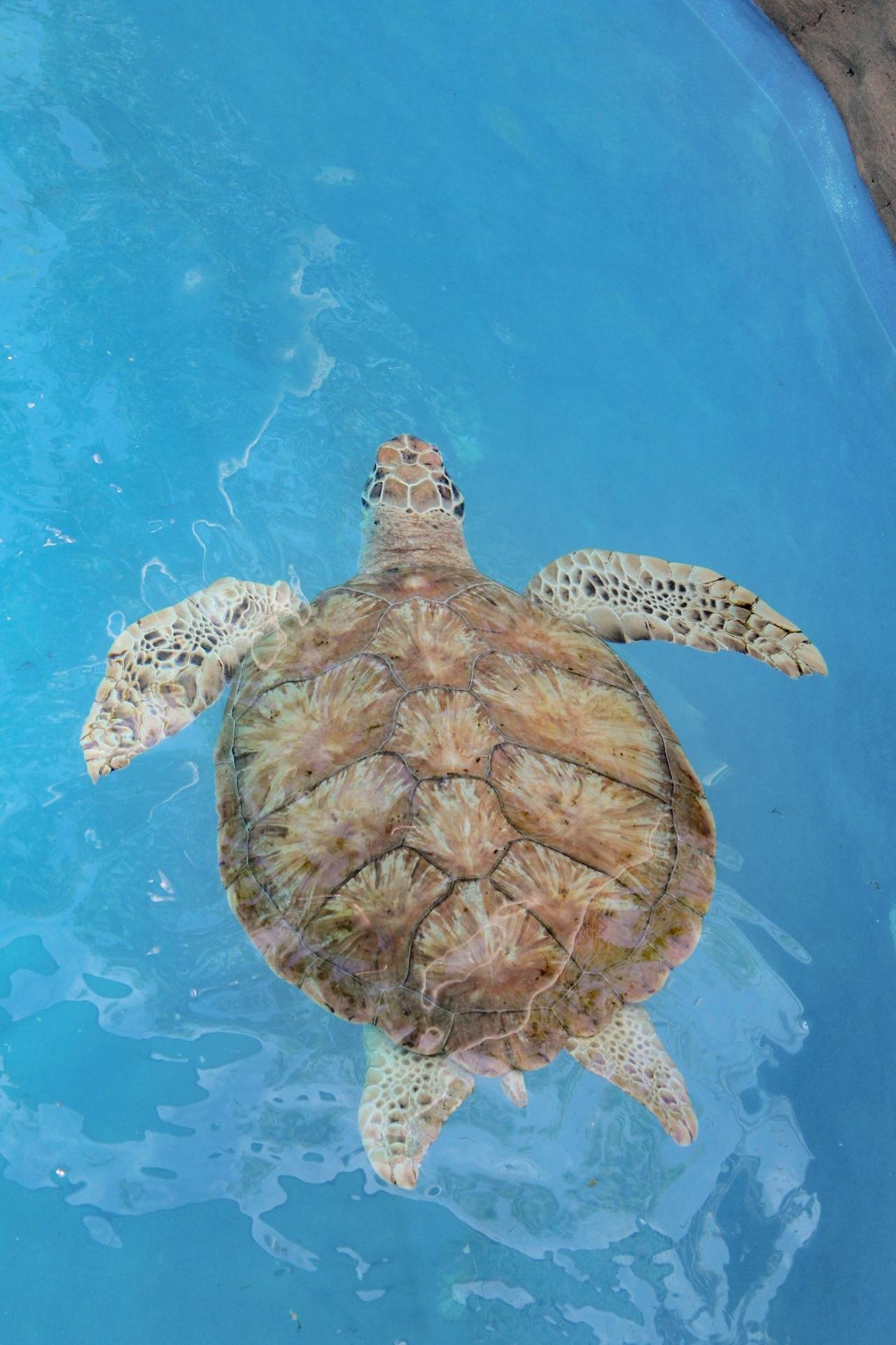
Sea turtle in Sri Lanka
10 — SEA TURTLES

Respect Sea Turtles Too

  • Sri Lanka's coastline is home to several species of sea turtle, and turtle-related attractions are popular with families.
  • Responsible travelers should look carefully at how any turtle conservation project operates before taking part.
  • A genuine conservation experience should focus on protecting turtles and their habitat rather than repeatedly handling animals for entertainment.
  • Avoid unnecessary touching.
  • Do not use flash photography around nesting turtles.
  • Never disturb a turtle that is laying eggs.
  • Keep beaches clean and reduce single-use plastics.
  • If you encounter turtles while swimming or snorkeling, allow them to choose how close they come.
  • The same principle applies underwater as it does on safari:
  • Observe without interfering.
  • Goalie Tours' family itineraries include southern-coast experiences alongside conservation-oriented stops, allowing families to learn about Sri Lanka's marine environment as part of a broader journey.
Sri Lankan birds and rainforest wildlife
11 — SMALLER WILDLIFE

Don't Forget the Smaller Wildlife

  • Elephants, leopards and whales understandably receive much of the attention.
  • But responsible wildlife tourism is also about appreciating everything else.
  • Sri Lanka is home to an extraordinary variety of:
  • Birds
  • Monkeys
  • Reptiles
  • Amphibians
  • Butterflies
  • Marine species
  • Wetland wildlife
  • Forest ecosystems
  • Some of Sri Lanka's most rewarding nature experiences do not involve a famous animal at all.
  • A walk-through rainforest can reveal endemic birds, reptiles and insects.
  • A quiet wetland boat journey can introduce families to kingfishers, monitor lizards and water birds.
  • A visit to the hill country can reveal completely different habitats from those experienced on a southern safari.
  • Travelers who slow down often discover that biodiversity itself becomes the attraction.
Sri Lanka natural environment
12 — PROTECT THE ENVIRONMENT

Keep Sri Lanka's Natural Environments Clean

  • Ethical wildlife tourism extends beyond how we behave around animals.
  • Protecting habitat matters just as much.
  • Do not leave plastic bottles, food wrappers, or other waste inside national parks, forests, or coastal areas.
  • Carry a reusable water bottle where practical.
  • Take rubbish back with you if suitable disposal facilities are unavailable.
  • Avoid leaving food waste behind simply because it is biodegradable; it can alter animal behavior or attract wildlife toward roads and visitor areas.
  • Official Sri Lanka Tourism responsible-travel guidance specifically asks travelers not to litter and encourages visitors to take their waste away with them.
  • Small decisions multiplied across thousands of visitors can make a significant difference.
Responsible wildlife guide in Sri Lanka
13 — CHOOSE RESPONSIBLY

Choose Guides and Tour Operators Who Put Wildlife First

  • Perhaps the most important decision happens before the safari begins.
  • Choose an operator that does not promise impossible wildlife encounters.
  • Be cautious if someone guarantees that you will see a leopard, whale, or large elephant gathering.
  • Nobody controls wild animals.
  • A responsible operator should:
  • Prioritize safe viewing distances.
  • Avoid animal chasing.
  • Use knowledgeable guides and drivers.
  • Respect Park regulations.
  • Discourage touching and feeding.
  • Avoid elephant riding.
  • Explain that sightings cannot be guaranteed.
  • Support environmentally responsible travel practices.
  • Encourage respect for local communities as well as wildlife.
  • The best wildlife tour is not one where the operator promises to get you closest.
  • It is one where you can finish the experience knowing that your presence did not come at the animal's expense.

Ethical Wildlife Experiences With Goalie Tours

Wildlife comes first.

Responsible tourism is central to the way Goalie Tours designs wildlife experiences in Sri Lanka.

Our approach is simple: Wildlife comes first. We believe elephants should be observed walking freely through their habitat.

Leopards should decide whether they remain visible.

Whales should never have to change direction because tourists are chasing them.

And travelers should return home with photographs and stories, not with the feeling that an animal was forced to provide their entertainment.

Our Sri Lanka 10-Day Wildlife, Rainforest & Cultural Adventure is particularly suitable for travelers who want wildlife to play a major role in their journey.

The itinerary brings together experiences across Minneriya, Udawalawe, Yala, Sinharaja and Sri Lanka’s southern coast, combining wildlife with rainforest, culture, hill-country scenery and coastal exploration.

Families can also experience responsible wildlife encounters through our 7-Day Sri Lanka Family Tour, 8Day Family Adventure and 10-Day Sri Lanka Family Tour

We believe elephants should be observed walking freely through their habitat. Leopards should decide whether they remain visible. Whales should never have to change direction because tourists are chasing them.

🐘

Observe elephants naturally in their habitat.

🐆

Give leopards the freedom to move naturally.

🐋

Keep whale encounters calm and observational.

🌿

Encourage responsible environmental practices.

The Goal of Ethical Wildlife Tourism

The Best Wildlife Encounter Leaves Nature Unchanged

There is a special moment on safari when everyone becomes quiet. Perhaps an elephant walks out of the forest. A leopard appears between the trees. A whale surfaces beside the horizon.

For a few seconds, there is no need to do anything. No touching. No feeding. No chasing. No performance. You simply watch.

That is what ethical wildlife tourism should protect.

Sri Lanka gives travelers the privilege of entering some extraordinary natural environments. By choosing responsible operators, respecting wildlife, following park rules, and keeping our distance, we help ensure those environments remain extraordinary long after our own holiday has ended.

"

Travel gently. Watch patiently. Leave wildlife wild.

Plan Your Responsible Sri Lanka Wildlife Adventure

Explore Goalie Tours’ 10-Day Wildlife, Rainforest & Cultural Adventure or speak to our team about creating a tailor-made Sri Lanka wildlife tour combining the national parks, rainforest, mountains and coastline that interest you most.

Experience Sri Lanka’s wild side, responsibly, authentically and with respect for the animals that make this island so remarkable.

Plan Your Responsible Adventure

Discover Sri Lanka's Wildlife the Responsible Way

Experience Sri Lanka's wild side — responsibly, authentically and with respect.

Leave a Reply

Your email address will not be published. Required fields are marked *